
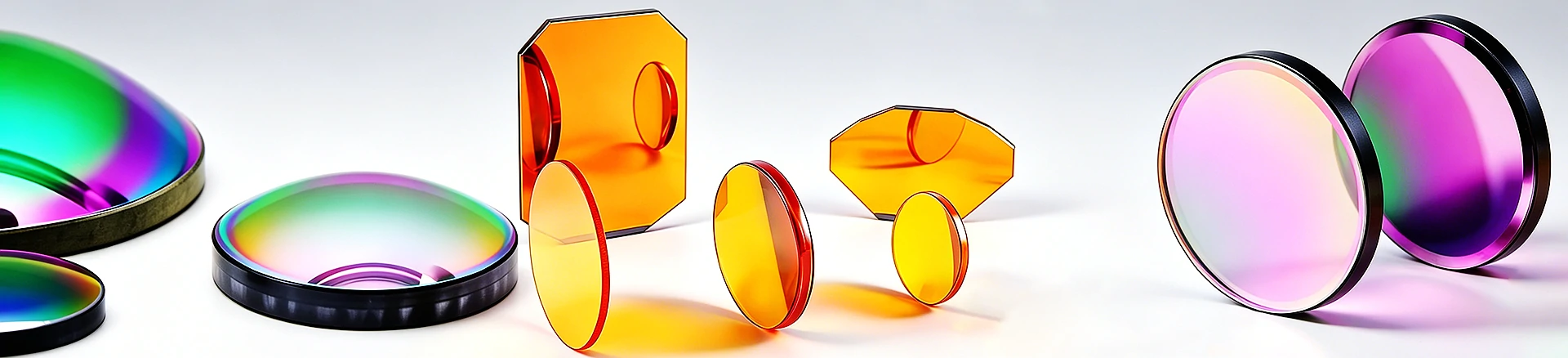
8-14 μ m wide band high transparency, compatible with infrared spectroscopic detection system
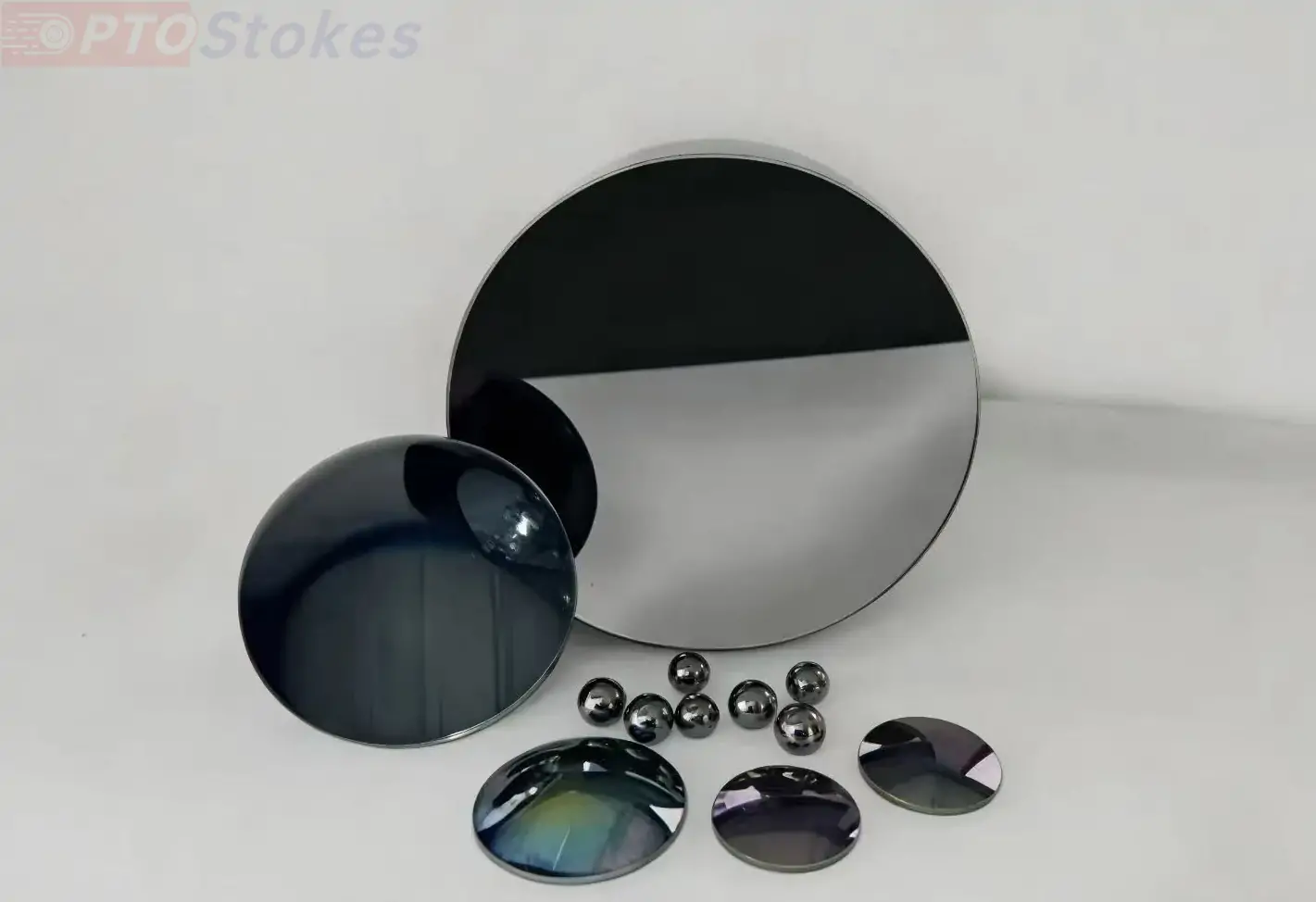
Silicon based 8000-14000nm AR anti reflective infrared lens infrared spectrophotometer window
IROptical silicon-based 8-1400nm AR anti reflective infrared lens, with a measured transmittance T>80%, designed specifically for infrared spectrophotometers, supports precision machining and customized coating, and can be consulted for sel
Product Overview
Silicon based 8000-14000nm AR anti reflective infrared lens infrared spectrophotometer window
This silicon-based AR anti reflective infrared lens is a window component designed specifically for long wave infrared spectroscopy detection systems such as infrared spectrophotometers. We combine the inherent transmission characteristics of silicon materials in the 8-14 μ m wavelength range with customized wideband anti reflection film layers to effectively reduce surface reflection loss, minimize stray light interference in spectral detection, and improve the accuracy of spectral data acquisition in infrared spectroscopy systems.
Technical specifications
| Parameter item | Indicator Description |
|---|---|
| Base material | Monocrystalline silicon |
| Working band | 8000nm - 14000nm |
| Coating type | Wide band AR anti reflective film |
| Actual measured transmittance | T > 80% @ 8000-14000nm |
| Applicable scenarios | Infrared spectrophotometer window |
Application scenarios and selection examples
In a Fourier transform infrared (FTIR) spectrophotometer, the system needs to obtain a continuous and stable spectral response in the 8-14 μ m long wave infrared range. The surface reflection loss of ordinary uncoated silicon windows is high, which can easily introduce significant reflection peak interference in the spectral baseline. When selecting, priority should be given to silicon-based wide-band AR anti reflective lenses rather than other infrared materials. This is precisely because silicon materials have high mechanical hardness, good chemical stability, and are suitable for designing broad-spectrum anti reflective films in this wavelength range. While controlling costs, it meets the basic optical requirements of the spectroscopic system for window elements. This selection is only suitable for 8-14 μ m long wave infrared transmission scenarios and does not cover the detection range of short wave infrared and visible light.
Common misconceptions and pitfalls experience
Many engineers tend to overlook the transmission boundary of silicon materials when selecting, mistakenly using silicon window plates for infrared transmission scenarios below 8 μ m. Silicon exhibits distinct absorption peaks in the near-infrared and mid wave infrared bands, and forced use can lead to a significant decrease in the overall transmittance of the system, making it difficult to obtain accurate spectral data. The correct verification method is to confirm that the core operating band of the system falls completely within the range of 8-14 μ m before selection, and to request the measured transmission spectrum curve of the corresponding band of the product to confirm that the anti reflection effect matches the system requirements.
Customization and Service
IROptical can provide subsequent precision machining services for silicon-based infrared optical components, supporting customized polishing of circular, square, and irregular sizes. The film layer design can be adjusted according to actual working conditions to meet the needs of different infrared spectroscopic detection equipment. It can also complete technical review and sample delivery of customized optical windows in accordance with drawings.
If you have specific requirements for band matching, tolerance control, coating selection, or batch delivery consistency of silicon-based infrared windows, you can provide clear working bands, dimensional drawings, coating indicators, and procurement quantities. Please send an email to sales@iroptical.com Submit an inquiry to obtain targeted selection and delivery solutions.