
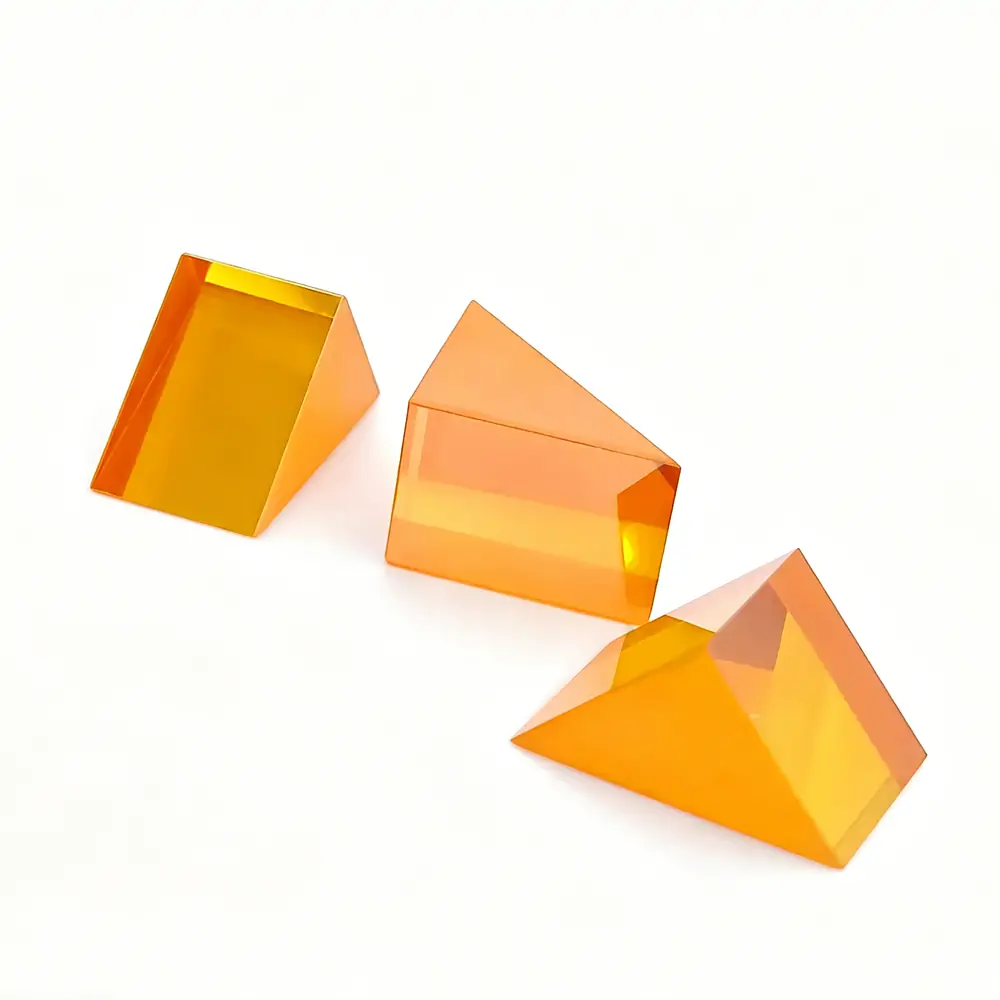
ZnSe Prisms for Infrared Optical Systems
ZnSe prisms for infrared beam steering, CO2 laser beam routing, FTIR spectroscopy, thermal imaging, sensing, and custom prism geometry review.
Quick Specifications
Product Description
Overview
ZnSe prisms are precision infrared optical components used for beam steering, image rotation, light-path folding, and wavelength-dispersive functions in laser, sensing, spectroscopy, and thermal imaging platforms. Zinc Selenide is widely used in MWIR and LWIR systems because it supports broad infrared transmission and is compatible with CO2 laser applications.
For engineers and OEM buyers, prism selection should not be based on material name alone. Geometry, optical path length, surface quality, angular tolerance, coating design, and operating wavelength all affect finished prism performance.
Why ZnSe Is Used for Infrared Prisms
ZnSe is typically produced by chemical vapor deposition and is valued for broad infrared transmission, low absorption at 10.6 µm, and stable performance in demanding optical assemblies. These properties make it a practical material for infrared prism designs used in laser delivery, beam shaping, scanning, spectroscopy, and thermal imaging systems.
Key Optical Properties
| Property | Typical Value / Range | Engineering Relevance |
|---|---|---|
| Transmission Range | Approximately 0.6-21 µm | Suitable for visible-alignment, MWIR, and LWIR applications |
| Refractive Index | About 2.4028 at 10.6 µm | Supports compact prism designs and efficient beam control |
| CO2 Laser Compatibility | Excellent at 10.6 µm | Used in laser delivery, beam shaping, and scanning systems |
| Bulk Absorption | Low in the infrared working range | Helps maintain optical efficiency in well-designed systems |
Common ZnSe Prism Types
| Prism Type | Primary Function | Typical Infrared Use |
|---|---|---|
| Right-angle prism | 90° beam deflection or path redirection | IR alignment tools, folded laser paths, compact optical modules |
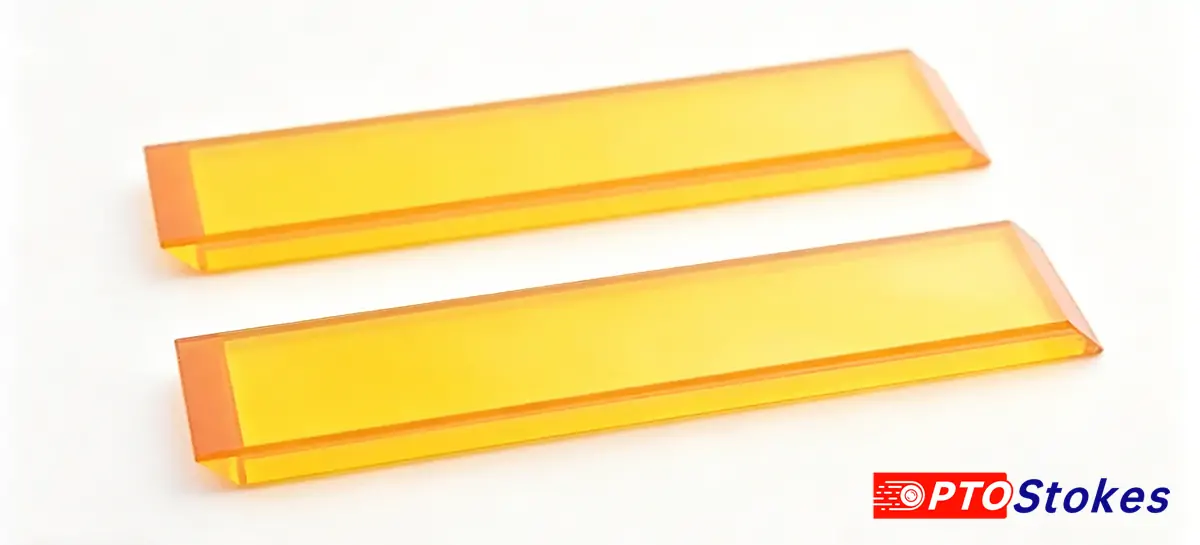
| Wedge prism | Small-angle beam steering or controlled deviation | Beam adjustment, alignment correction, beam combining assemblies |
| Pellin-Broca or dispersive prism | Wavelength separation and spectral routing | Mid-IR spectroscopy and FTIR-related optical subsystems |
| Roof prism | Image inversion or path folding | Compact infrared imaging systems with strict packaging limits |
| Dove prism | Image rotation | Specialized infrared imaging and optical manipulation systems |
Manufacturing and Quality Notes
ZnSe is relatively soft and brittle compared with many visible-range optical materials. High-quality prism production requires controlled grinding, polishing, edge protection, coating preparation, cleaning, inspection, and packaging. Angle control and surface integrity become more demanding as the prism gets smaller or the geometry becomes more complex.
For infrared prisms, coating is a performance step. AR coatings, partial reflective coatings, or protected metallic coatings should be matched to wavelength band, angle of incidence, thermal load, and environmental exposure.
Typical Applications
- CO2 laser beam folding, beam steering, and optical path management
- Thermal imaging and compact infrared camera modules
- FTIR spectroscopy, gas detection, polymer testing, and laboratory instruments
- Industrial sensing, non-contact temperature measurement, and automated inspection
- Custom infrared prism assemblies requiring drawing-based geometry review
Engineering Notes
A practical RFQ should define wavelength range, coating requirement, prism type, clear aperture, dimensional tolerances, angular tolerances, surface quality, and application environment. If the prism will be used in a laser system, power density and thermal load should also be reviewed early.
For specific geometries, review ZnSe right-angle prisms, ZnSe equilateral prisms, or ZnSe ATR prisms. Send drawings and beam-path details through the contact form for engineering review.
Key Features
Applications
Related Products
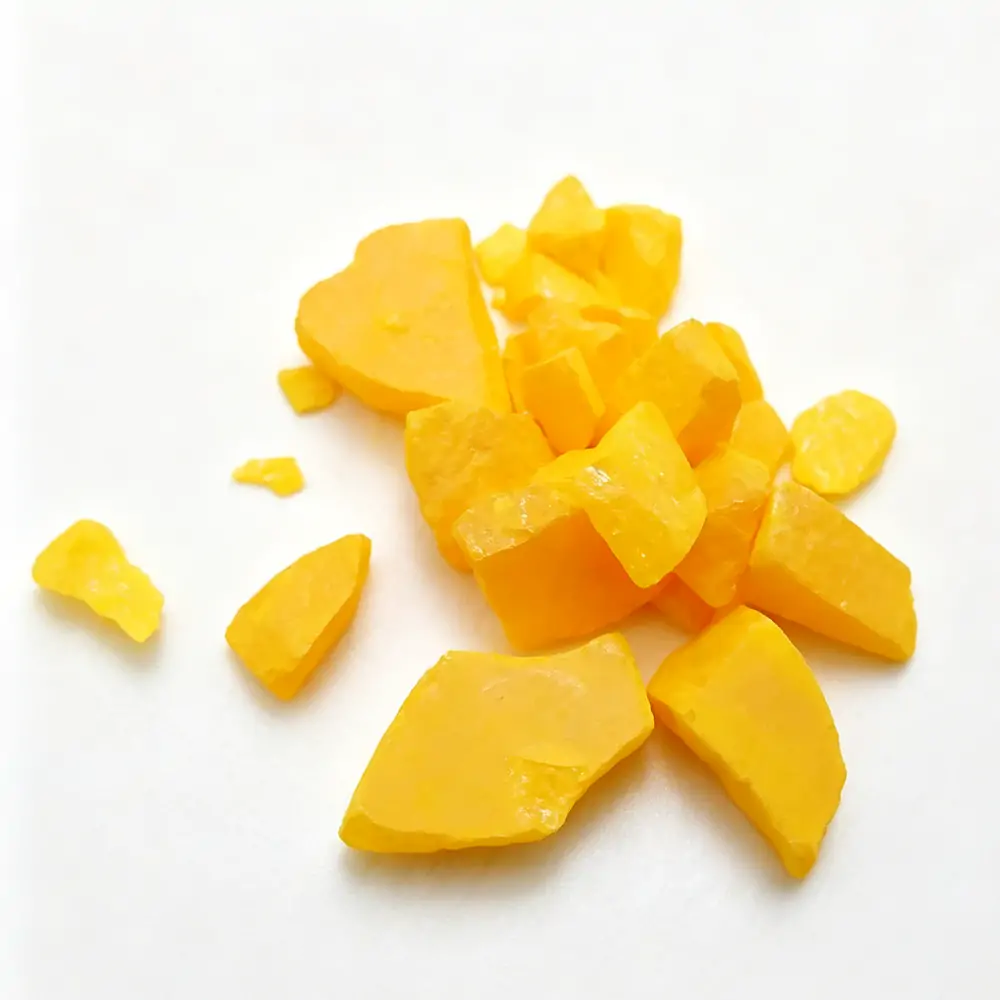
CVD ZnSe Blanks
CVD ZnSe optical blanks for custom IR windows, lenses, prisms, and beam optics, with drawing-based sizing and coating planning.

CVD ZnSe Brewster Windows
CVD ZnSe Brewster Windows for polarized CO2 laser cavities, with CVD ZnSe material, custom size review, and coating options.
CVD ZnSe Flat Windows
CVD ZnSe Flat Windows for CO2 laser protection, with CVD ZnSe material, custom size review, and coating options.
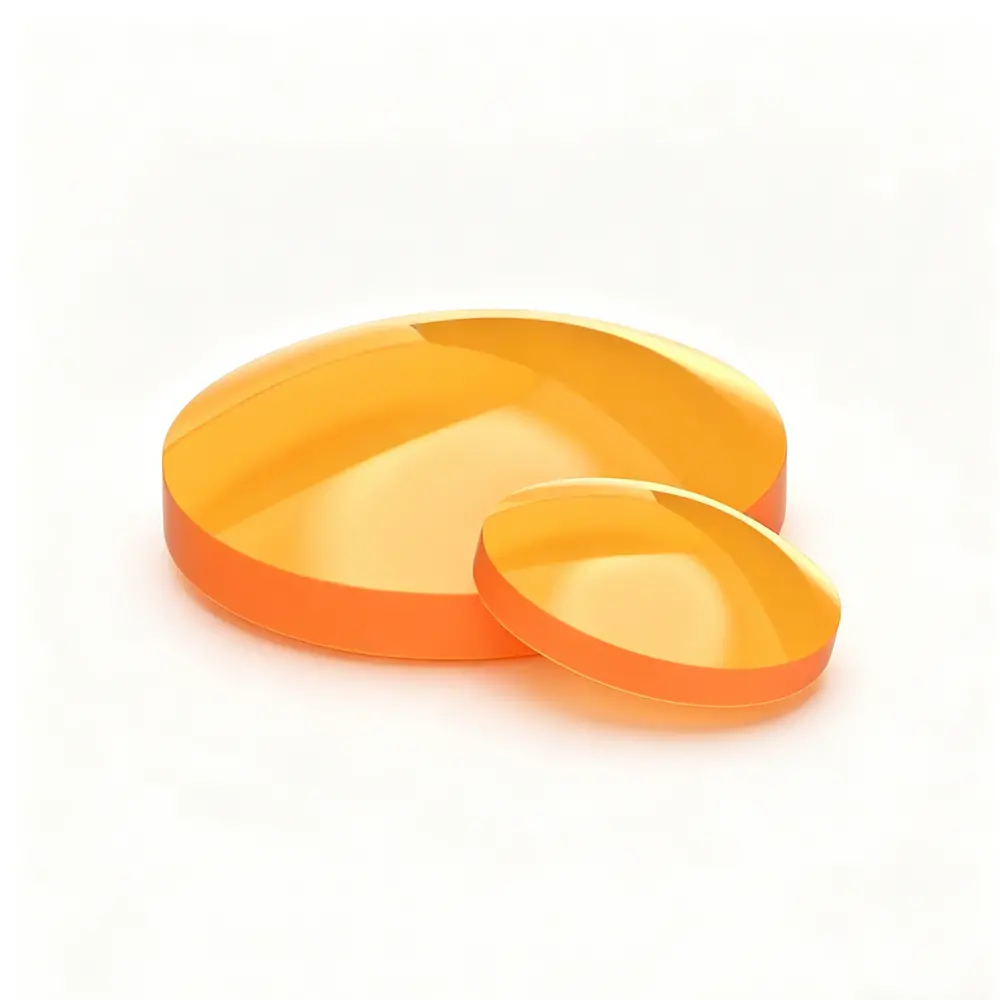
ZnSe Aspheric Lenses
ZnSe Aspheric Lenses for bar code scanners, laser diode collimation, with CVD ZnSe material, custom size review, and coating options.
Helpful Resources