SWIR, MWIR and LWIR: IR Optics Selection Guide
Compare SWIR, MWIR and LWIR for IR windows, lenses, coatings and materials including ZnSe, Ge, Si, ZnS, CaF2 and BaF2.
From Band to Material Choice
SWIR, MWIR and LWIR are more than wavelength labels. In an infrared optical system, the selected band influences the material, coating design, lens form, window thickness, surface requirement and inspection plan. A detector or laser source cannot deliver stable performance if the front-end optics are not matched to the operating band.
For engineers and buyers working with IR windows, IR lenses, protective covers or custom infrared optical components, the practical question is not only which band the system uses. The more important question is which optical material and coating can transmit that band while surviving the real mechanical, thermal and environmental conditions of the application.
SWIR, MWIR and LWIR at a Glance
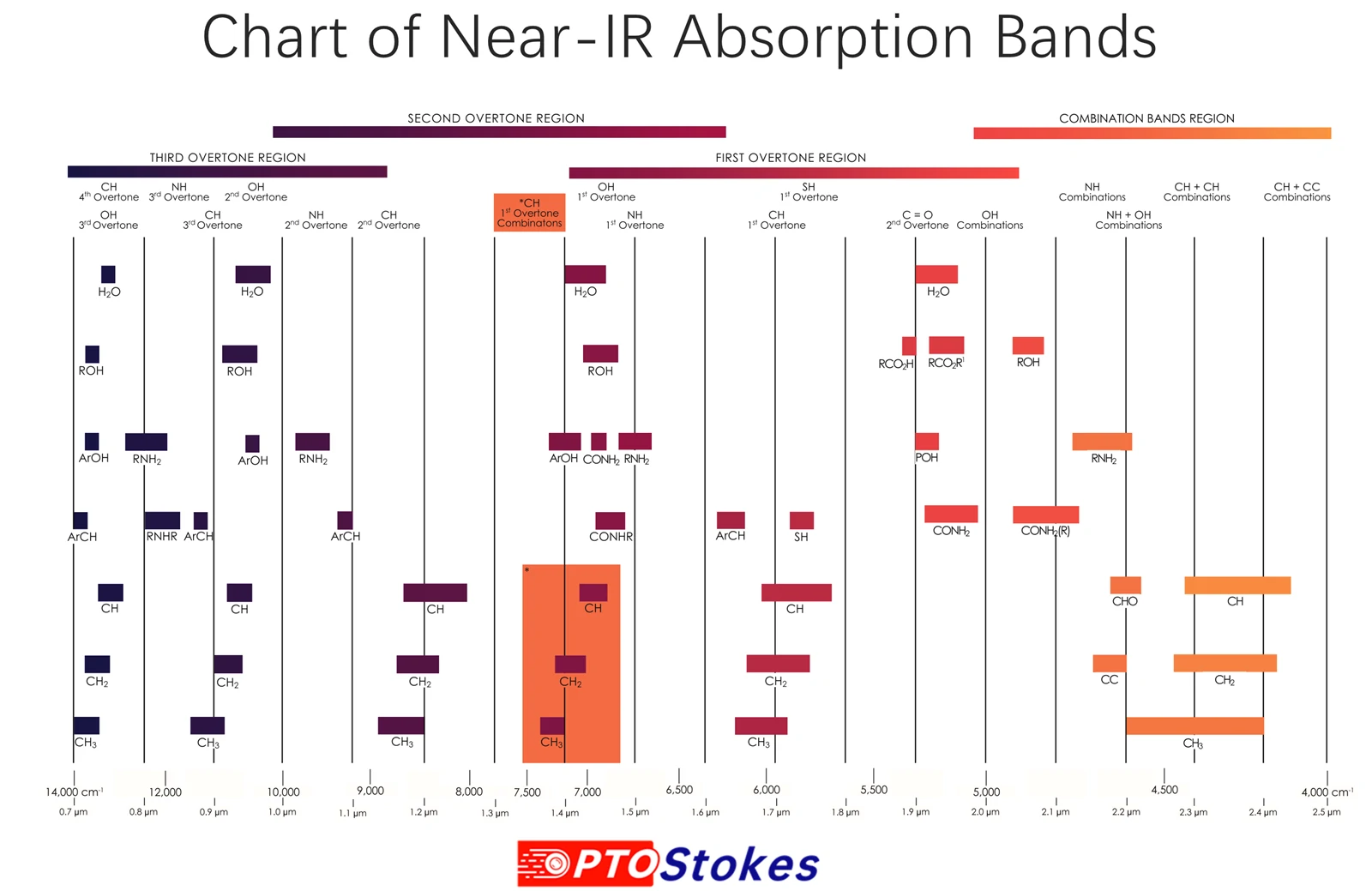
| Band | Common wavelength range | Dominant imaging behavior | Typical applications | Material starting points |
|---|---|---|---|---|
| SWIR | About 0.9-2.5 µm | Often behaves closer to reflected-light imaging than thermal imaging | Laser rangefinding, semiconductor inspection, machine vision, food and agriculture inspection | Fused silica, CaF2, silicon, sapphire and selected IR glasses |
| MWIR | About 3-5 µm | Useful for high-temperature targets and selected gas absorption bands | MWIR thermal imaging, gas detection, IR search and tracking, industrial high-temperature monitoring | Silicon, germanium, ZnSe, ZnS, CaF2 and BaF2 |
| LWIR | About 8-14 µm | Commonly used for passive thermal imaging of room-temperature objects | Thermal cameras, night vision, security, industrial temperature measurement, environmental monitoring | Germanium, ZnSe, ZnS, chalcogenide glass and selected specialty IR materials |
| CO2 laser band | Typically 10.6 µm | Laser transmission and beam control dominate the optical design | CO2 laser cutting, welding, marking, protective windows, focusing lenses and beam delivery | CVD ZnSe is a common first review material for transmissive CO2 laser optics |
Exact band definitions can vary by industry and detector technology. For production optics, it is safer to specify the actual operating wavelength or wavelength range, such as 1.55 µm, 3-5 µm, 8-12 µm or 10.6 µm, rather than only writing SWIR, MWIR or LWIR.
Why the Infrared Band Changes the Optical Design
Visible optical glasses are not automatically useful in the infrared. As wavelength increases, many common glasses absorb strongly, and specialized infrared materials become necessary. This is why the band decision must come before the drawing, coating and quotation stage.
| Design factor | Why the band matters | Engineering impact |
|---|---|---|
| Transmission | Each IR material has its own usable spectral window and absorption behavior | A material that works in SWIR may be unsuitable for LWIR or 10.6 µm laser transmission |
| Refractive index | IR materials can have high and strongly different refractive indices | Lens curvature, aberration control, thickness and anti-reflection coating all change |
| Coating | AR coating must be designed for the target band, angle and substrate | A coating optimized for one band should not be assumed to work across all IR bands |
| Thermal behavior | IR systems often operate under changing temperature or laser load | Thermal expansion, dn/dT and mounting stress can affect image quality and reliability |
| Mechanical exposure | Windows and protective optics may face dust, sealing load, airflow or handling risk | Hardness, strength, edge quality and coating durability become selection criteria |
| Manufacturing cost | ZnSe, Ge, Si, ZnS, CaF2 and BaF2 differ in cost, availability and processing difficulty | Early material review helps control budget, lead time and manufacturing risk |
How Imaging Behavior Changes by Band
SWIR: reflected-light-like imaging
SWIR systems are often used with reflected or actively illuminated signals. Common wavelengths include 1.06 µm and 1.55 µm laser applications, as well as short-wave infrared imaging for semiconductor inspection, machine vision and material sorting. Because SWIR sits closer to visible and near-infrared design practice, some materials that are not useful in LWIR can still be practical in SWIR.
MWIR: hot targets and gas absorption
MWIR optics are often selected for high-temperature objects, gas detection and thermal contrast applications where the 3-5 µm atmospheric window is useful. Material choice becomes more specialized, and coating design must account for the exact band, angle of incidence, detector sensitivity and environmental exposure.
LWIR: passive thermal imaging
LWIR is widely used for passive thermal imaging of room-temperature objects. The 8-14 µm region is common in security, night vision, industrial temperature monitoring and environmental observation. Materials such as germanium, ZnSe, ZnS and selected chalcogenide glasses are often reviewed, but the final choice depends on transmission, durability, cost and coating requirements.
Infrared Material Selection by Band
| Material | Typical IR use | Strengths | Selection cautions |
|---|---|---|---|
| CVD ZnSe | MWIR, LWIR and CO2 laser optics | Strong broadband IR transmission and common use at 10.6 µm | Relatively soft; surface handling, coating and packaging require care |
| Germanium | MWIR and LWIR lenses and windows | High refractive index and strong use in thermal imaging optics | Transmission decreases with temperature; density and cost should be reviewed |
| Silicon | SWIR and MWIR optics | Good mechanical properties, common availability and useful IR transmission in selected bands | Not suitable for LWIR transmission; coating and band limits must be confirmed |
| ZnS / Cleartran ZnS | MWIR and LWIR windows, domes and rugged optics | Better mechanical durability than ZnSe in many exposed-window applications | Grade, scattering and transmission requirements must be specified clearly |
| CaF2 | UV, visible, SWIR and selected MWIR applications | Broad transmission and low refractive index | Mechanical fragility and thermal shock should be considered |
| BaF2 | UV to MWIR applications | Wide spectral transmission for selected optical systems | Moisture sensitivity and handling requirements must be reviewed |
No single material is the best answer for all infrared systems. A practical material decision should combine wavelength, aperture, thickness, optical power, operating temperature, mechanical load, coating requirement and expected service environment.
Choosing IR Windows, Lenses and Protective Optics
IR windows
An infrared window usually protects the detector, laser path or sealed enclosure while transmitting the target band. The first selection step is transmission, but the final decision often depends on pressure load, sealing method, scratch risk, mounting stress and coating durability. Exposed windows may require a more durable material even when another material offers higher theoretical transmission.
IR lenses
Infrared lenses require more than material transmission. Designers must review refractive index, dispersion, thermal drift, diameter, center thickness, surface quality, coating and mounting method. For thermal imaging lenses, germanium, ZnSe, silicon and chalcogenide glass may all appear in early design review, but each material affects lens form, cost and thermal compensation differently.
Coating strategy
IR anti-reflection coatings should be specified for the wavelength range, substrate, angle of incidence, polarization if relevant, and operating environment. A coating that works well at 3-5 µm should not be assumed to work at 8-14 µm or 10.6 µm. For laser optics, absorption, laser damage risk and thermal load must be reviewed with the coating supplier.
Common Selection Mistakes
| Mistake | Why it creates risk | Better approach |
|---|---|---|
| Specifying only SWIR, MWIR or LWIR | The band label is too broad for coating and material review | Provide exact wavelength range, detector band or laser wavelength |
| Choosing by transmission curve only | Mechanical strength, thermal behavior and coating durability may dominate failure risk | Review the optical and environmental requirements together |
| Using one coating concept for multiple bands | AR coating performance depends strongly on substrate and wavelength | Define a separate coating target for each band or system type |
| Ignoring mounting and sealing load | Windows can fail from stress even when the material transmits well | Share the mechanical drawing, clear aperture, thickness and sealing method |
| Assuming a catalog optic fits production use | Prototype optics may not meet final dimensional, coating or inspection requirements | Confirm production tolerance, inspection criteria and packaging needs before release |
Information to Provide Before Requesting a Quote
A clear request helps reduce technical back-and-forth and prevents the wrong material or coating from entering quotation. Before sending a drawing or inquiry, prepare the following information where available.
| Information | Why it matters |
|---|---|
| Operating wavelength or band | Defines material and coating feasibility |
| Optic type | Window, lens, prism, protective cover, blank or custom drawing part |
| Diameter, thickness and clear aperture | Affects material availability, processing route and mechanical strength |
| Surface quality and flatness | Controls imaging quality, scattering and laser risk |
| Coating requirement | Defines transmission target, reflection limit and durability test expectations |
| Application environment | Temperature, humidity, vibration, pressure, dust and outdoor exposure affect selection |
| Prototype or production quantity | Helps balance in-stock options, custom processing and lead-time planning |
Practical Starting Points
For SWIR imaging or 1.55 µm laser systems, start by confirming the exact wavelength, detector response and whether the optic must also work in visible alignment. For MWIR systems, review the 3-5 µm band, gas absorption targets if relevant, operating temperature and coating angle. For LWIR thermal imaging, confirm the 8-12 µm or 8-14 µm range, expected field environment, lens requirements and window exposure.
For CO2 laser systems at 10.6 µm, CVD ZnSe is frequently reviewed for transmissive lenses, windows and beam delivery optics. However, power density, beam size, coating absorption, surface quality and thermal management must be confirmed before a production recommendation is made.
OPTOStokes-IROptical Support for IR Optics
OPTOStokes-IROptical supports infrared optical component selection for standard and custom requirements, including IR windows, lenses, prisms, blanks, protective optics and drawing-based components. The product range covers common in-stock selection needs as well as custom processing for projects that require specific dimensions, materials, coatings or inspection criteria.
For R&D engineers, purchasing managers and technical decision-makers, the most common pain points are material uncertainty, coating risk, drawing review, sample availability, predictable lead time and production repeatability. A structured review of wavelength, material, coating, geometry and application conditions can reduce these risks before procurement begins.
To discuss SWIR, MWIR, LWIR or CO2 laser optics, send your drawing, wavelength requirement or application notes to [email protected], or submit an inquiry through the website contact form. The OPTOStokes-IROptical team can help review material options, coating direction, sample needs and quotation requirements for your infrared optical component project.