
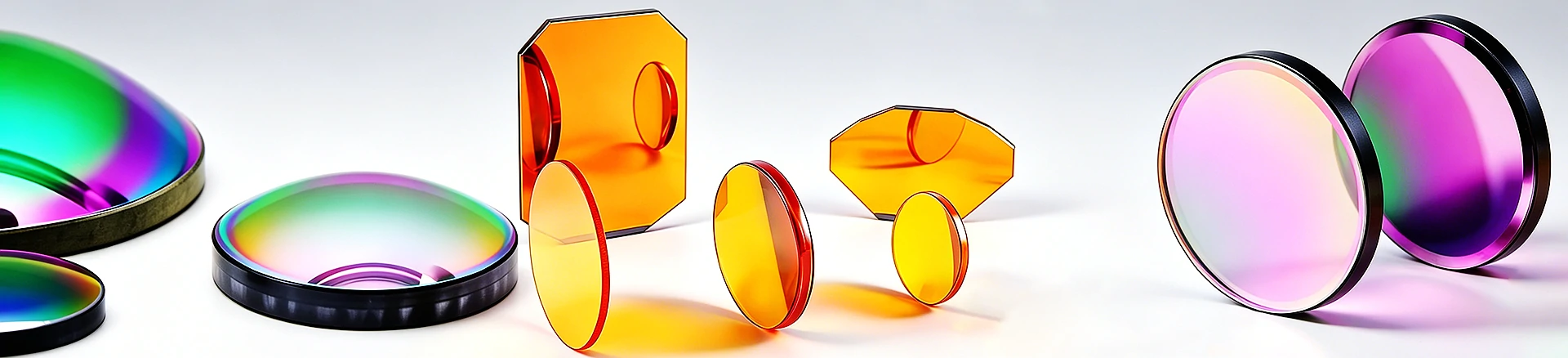
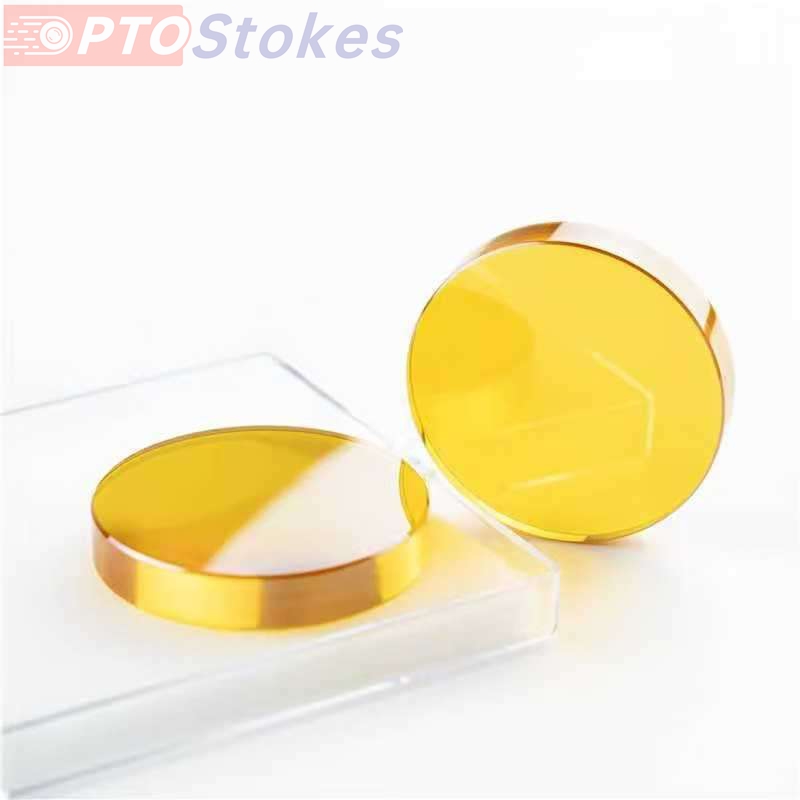
Introduction to ZnSe Optical Thin-Film Coatings
Chemical Vapor Deposited Zinc Selenide (CVD ZnSe) is a foundational material utilized across thermal imaging, infrared spectroscopy, and high-power CO2 laser systems. Operating effectively across multiple transmission bands including 10.6 µm, 3–5 µm, 7–14 µm, and 2–14 µm, raw ZnSe exhibits a natural Fresnel reflection loss of approximately 29.3% due to its high refractive index (~2.4 at 10.6 µm). To maximize throughput and protect optical surfaces from harsh operating environments, thin-film optical coatings such as Anti-Reflective (AR) coatings and Diamond-Like Carbon (DLC) protective layers are essential.
AR Coating vs. DLC Coating: Core Functional Differences
Understanding the distinct roles of AR and DLC coatings allows optical engineers to specify the correct configuration for demanding applications:
| Coating Type | Primary Function | Key Benefits | Engineering Limitations |
|---|---|---|---|
| Anti-Reflective (AR) | Optimize transmission across targeted infrared wavebands (e.g., 3–5 µm, 8–12 µm, or 10.6 µm). | Reduces surface reflection to < 0.5% per surface; maximizes system throughput and signal-to-noise ratio. | Does not improve mechanical surface hardness; susceptible to abrasion during field cleaning. |
| Diamond-Like Carbon (DLC) | Provide ultra-hard, chemically inert protective armor deposited over the external AR layer. | Significantly increases Knoop hardness, offering superior resistance to scratching, moisture, and harsh particulates. | Higher absorption in specific IR bands if deposition thickness is not strictly controlled; inherent internal film stress. |
Engineering Considerations for ZnSe Substrates
1. Mechanical Durability and Field Maintenance
Uncoated CVD ZnSe possesses a relatively low Knoop hardness (approximately 120 kg/mm²), making external optical surfaces vulnerable to scratching during routine cleaning cycles in field deployments. By depositing a robust DLC coating as an outer protective layer over the standard AR structure, surface hardness is dramatically enhanced. This provides maintenance personnel with a wider margin for error when removing dust, salt spray, or industrial residues.
2. Optical Absorption and Thermal Trade-offs
While DLC coatings offer exceptional mechanical protection, they introduce specific optical trade-offs. Excessive film thickness increases infrared absorption, leading to potential thermal lensing or wavefront distortion in high-power laser applications. Furthermore, high compressive stress in thicker carbon films can induce delamination during extreme thermal cycling. Consequently, film thickness must be precisely optimized based on the operating wavelength and laser power density.
3. Substrate Cleaning and Adhesion Optimization
Coating adhesion on infrared materials is notoriously challenging due to low surface energy. Microscopic residues of polishing compounds or hydrocarbon oils left on the ZnSe substrate prior to deposition will compromise film adhesion, resulting in catastrophic coating failure under high-energy laser irradiation. Rigorous ultrasonic cleaning and specialized adhesion-promoting intermediate layers are critical precursors to achieving durable thin-film performance.
Tailored Optical Solutions from iroptical
Selecting the appropriate thin-film configuration requires balancing transmission efficiency, environmental durability, and laser damage threshold. Whether your application requires high-efficiency AR coating for thermal imaging or ruggedized protection for field-deployed ZnSe optics, iroptical delivers custom-engineered solutions backed by rigorous spectrophotometric inspection.
Contact our technical engineering team at sales@iroptical.com to discuss your optical specifications, request custom substrate drawings, or obtain prototype quotations for your next project.