
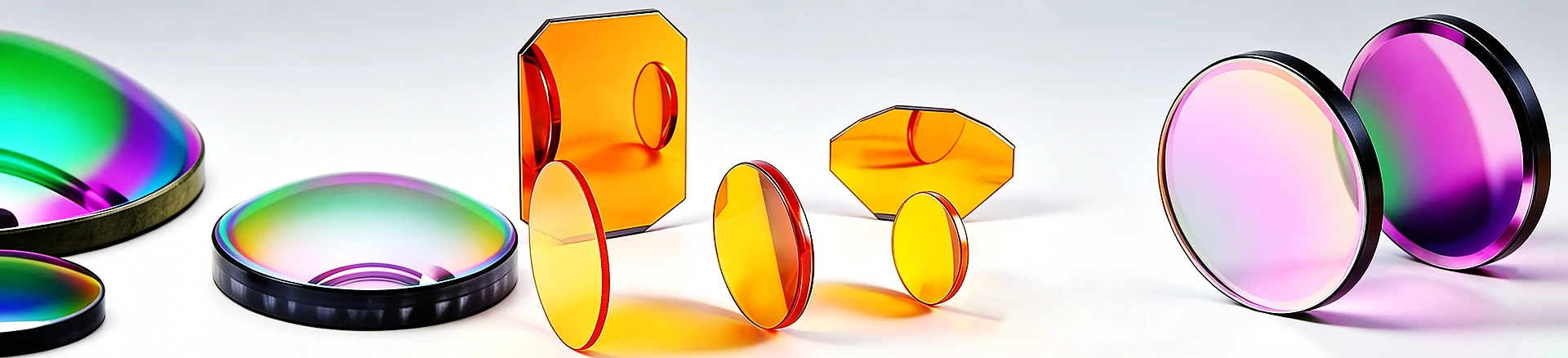
What is an ZnSe aspheric lens? Do you fully understand its fabrication processes?
Unlike conventional spherical lenses that possess a constant radius of curvature across their entire surface, an aspheric lens features a locally varying curvature that changes continuously from its optical center to the peripheral edge. In precision optical assemblies, managing and correcting monochromatic aberrations is paramount to achieving diffraction-limited performance. When relying solely on spherical elements, optical designers are forced to implement complex, multi-element configurations to compensate for inherent geometric distortions.
An aspheric lens profiles its surface curvature to systematically correct spherical aberration. This geometric advantage allows a single aspheric element to replace multiple spherical elements within a system. Consequently, implementing these optics reduces overall system weight, minimizes assembly alignment errors, and optimizes transmission efficiency by lowering surface reflection losses.
The Technical Superiority of Zinc Selenide (ZnSe) Aspheric Elements
Among specialized infrared optics, Zinc Selenide (ZnSe) substrates stand out due to their exceptional physical and chemical characteristics. Synthesized via Chemical Vapor Deposition (CVD), CVD ZnSe lenses exhibit a broad spectral transmission range, spanning from 0.5 μm to 22 μm. This comprehensive band coverage makes them ideal for both Mid-Wave Infrared (MWIR) and Long-Wave Infrared (LWIR) spectra, with virtually negligible absorption losses at key laser wavelengths such as 10.6 μm.
Furthermore, ZnSe delivers superior refractive index homogeneity and excellent optical consistency. When integrated with an optimized aspheric profile, it yields an infrared lens capable of unparalleled imaging resolution and focusing accuracy, far surpassing traditional chalcogenide or oxide glass alternatives under high-power conditions. The material also displays remarkable thermal stability, resisting thermal shock and keeping thermal lensing effects at bay under intense laser radiation or volatile environmental fluctuations. With a moderate Knoop hardness, ZnSe is perfectly suited for ultra-precision deterministic polishing and deterministic machining processes.
The Four Pillars of Precision Aspheric Manufacturing
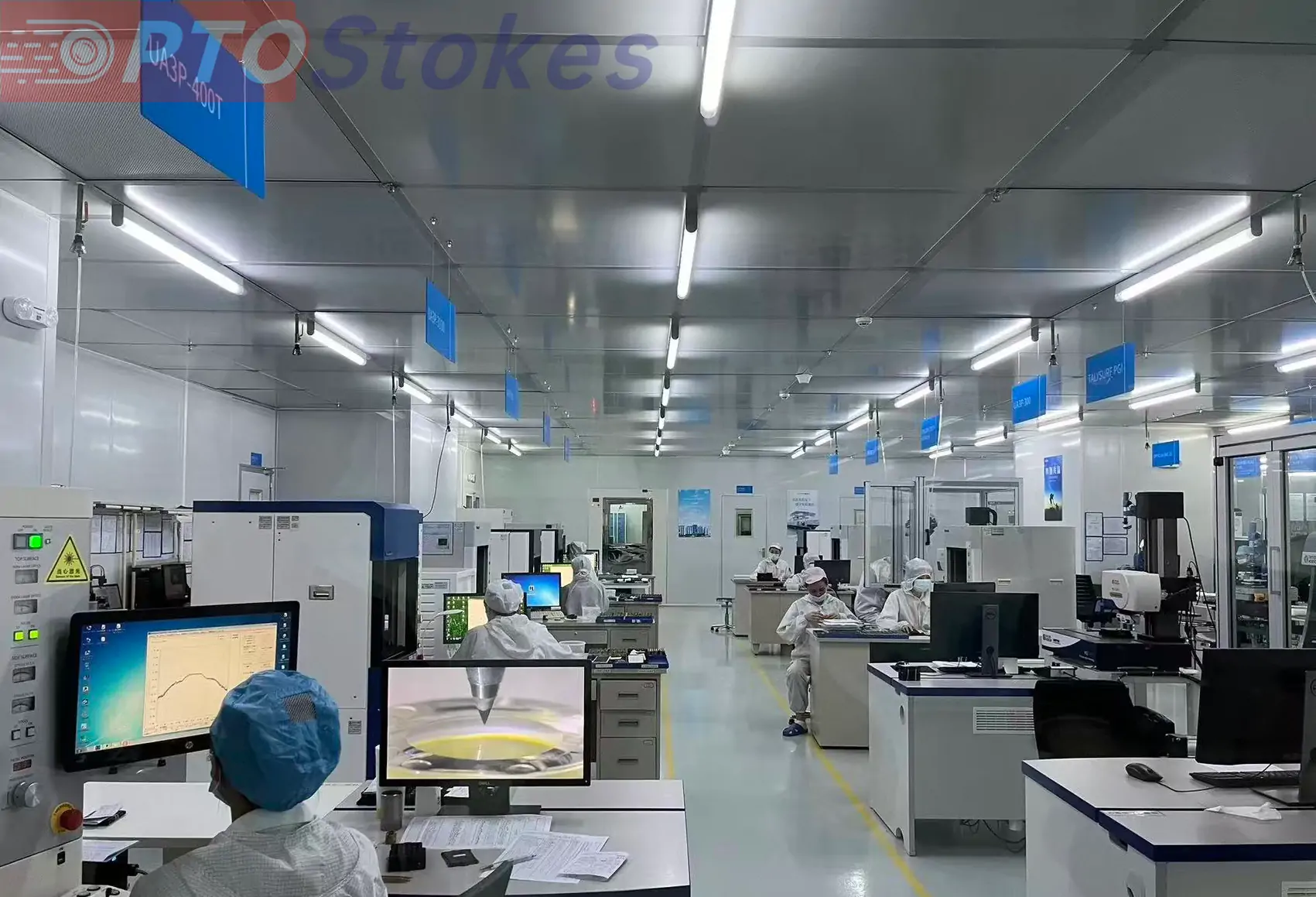
The fabrication of high-performance ZnSe aspheric optics requires tight process control across four main production phases. At iroptical, every step is fine-tuned to match the brittle nature and strict sub-micron tolerances required for advanced infrared deployment.
| Manufacturing Stage | Core Technical Operations | ZnSe-Specific Quality Controls |
|---|---|---|
| 1. Blank Preparation | Precision slicing and core-drilling of CVD ZnSe substrates. | Micro-machining techniques to prevent edge-chipping, micro-fracturing, and sub-surface damage. |
| 2. Grinding & Shaping | CNC deterministic generating, rough diamond grinding, and fine deterministic milling. | Real-time metrology via 3D profilometers to continuously map and correct surface form errors. |
| 3. Deterministic Polishing | Computer-Controlled Optical Surfacing (CCOS) and magnetorheological/flexible tool finishing. | Controlled dwell times and specialized slurries to minimize surface roughness, scratches, and sleeks. |
| 4. Metrology & Inspection | Laser interferometry, sub-diffraction wave-front analysis, and spectrophotometric testing. | Verification of absolute surface figure error (PV < 0.25 μm) and scratch-dig specifications. |
Traditional manufacturing methodologies struggle with efficiency and cost when tasked with modern aspheric tolerances. To meet this challenge, iroptical utilizes advanced CNC ultra-precision grinding and deterministic computer-aided polishing platforms. By translating metrology feedback data directly into tooldwell-time dwell equations and continuous path trajectories, we achieve exceptional form fidelity while lowering surface roughness to angstrom levels.
Commercial Availability and Strategic Sourcing Options
To align with varying project lifecycles, budget frameworks, and volume requirements, iroptical provides two distinct avenues for aspheric lens sourcing:
1. Ultra-Precision Polished Aspheres
Specifically engineered for demanding applications including military night vision, aerospace remote sensing, medical CO2 lasers, and high-end thermal imaging. These components feature the highest surface accuracy and damage thresholds available, customizable to custom drawings and precise material parameters.
2. Precision Molded Glass Aspheres
Optimized for commercial, high-volume production runs where cost-efficiency and rapid deployment are the primary metrics. This process provides repeatable, high-fidelity geometric reproduction across large batches, serving commercial sensor networks and tactical automotive vision components.
Whether your system requires a rapid prototype from our extensive in-stock inventory or a custom-designed infrared lens configuration tailored to complex optical drawings, iroptical provides predictable lead times and robust QA documentation.
Optimize Your Infrared System Performance
Balancing stringent optical tolerances, thermal performance, and delivery schedules remains a significant hurdle for optical R&D engineers and procurement managers. Sub-par surface finishing or material impurities lead directly to power loss, wave-front errors, and critical system downtime.
As a global supplier of world-class infrared components, iroptical addresses these manufacturing pain points with a fully integrated production line and comprehensive technical advisory services. Contact our engineering team today at sales@iroptical.com to request an technical consultation, obtain engineering drawings, or receive a rapid quote for your specific custom optics requirements.