
ZnSe Wedged Windows
ZnSe wedged windows reduce etalon fringes and optical feedback in CO2 laser, thermal imaging, and IR diagnostic systems.
Quick Specifications
Product Description
Overview
ZnSe wedged windows are infrared protective windows with a controlled wedge angle. They are used when a standard parallel window would create etalon fringes, unstable feedback, or unwanted reflected-beam interaction in CO2 laser and infrared systems.
Why this material or geometry matters
The wedge prevents the two optical faces from behaving like a parallel cavity. This helps reduce interference effects and lowers the risk of optical feedback reaching sensitive laser components. ZnSe remains a common material choice when the assembly also needs practical transmission across a wide infrared range.
Quick Specifications
| Parameter | Value |
|---|---|
| Material | ZnSe |
| Wavelength Range | 0.6-18 µm |
| Diameter | 5-100 mm |
| Thickness | 2-10 mm |
| Surface Figure | λ/10 @ 633 nm |
| Wedge Angle | 30 arcmin ±10 arcsec |
| Diameter Tolerance | +0.0/-0.1 mm |
| Thickness Tolerance | ±0.2 mm |
| Surface Quality | 40/20 scratch-dig |
| Chamfer | Protective chamfer 0.2-0.5 mm × 45° |
| Coating | Uncoated or custom AR coating on request |
Typical Applications
- CO2 laser cavity feedback reduction
- Infrared protective windows
- Thermal imaging systems
- IR diagnostic instruments
- Beam delivery assemblies that must suppress fringes
Engineering Notes / Selection Guidance
The source material references both a precision 30 arcmin wedge specification and broader wedge-angle selection scenarios. For quotation, confirm the required beam deviation, coating target, clear aperture, mounting thickness, and whether reflected-beam separation is part of the optical design. If the system is feedback-sensitive, the wedge direction and mechanical clocking should also be defined on the drawing.
Request a Quote / Contact
Send the wavelength, wedge angle requirement, clear aperture, coating target, and drawing through the contact page for engineering review.
Key Features
Applications
Related Products
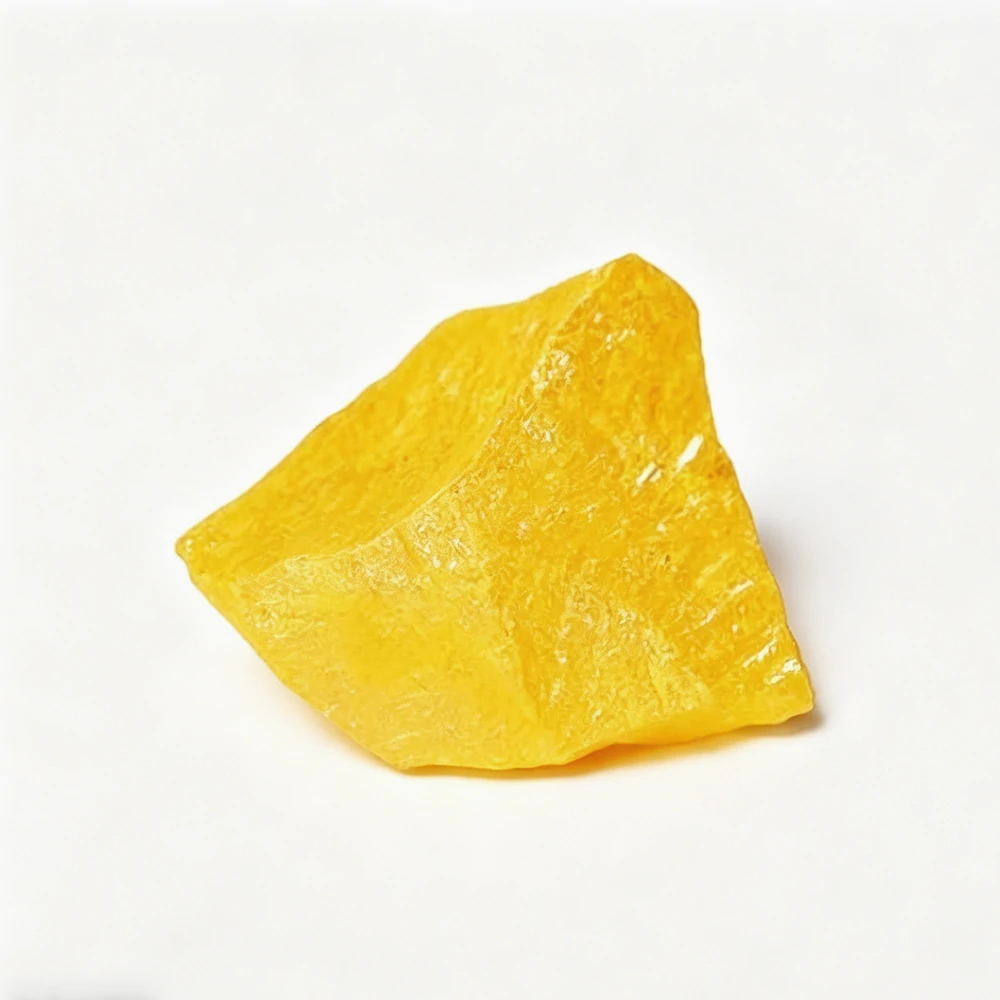
CVD ZnSe Blanks
CVD ZnSe optical blanks for custom IR windows, lenses, prisms, and beam optics, with drawing-based sizing and coating planning.
CVD ZnSe Brewster Windows
CVD ZnSe Brewster Windows for polarized CO2 laser cavities, with CVD ZnSe material, custom size review, and coating options.
CVD ZnSe Flat Windows
CVD ZnSe Flat Windows for CO2 laser protection, with CVD ZnSe material, custom size review, and coating options.
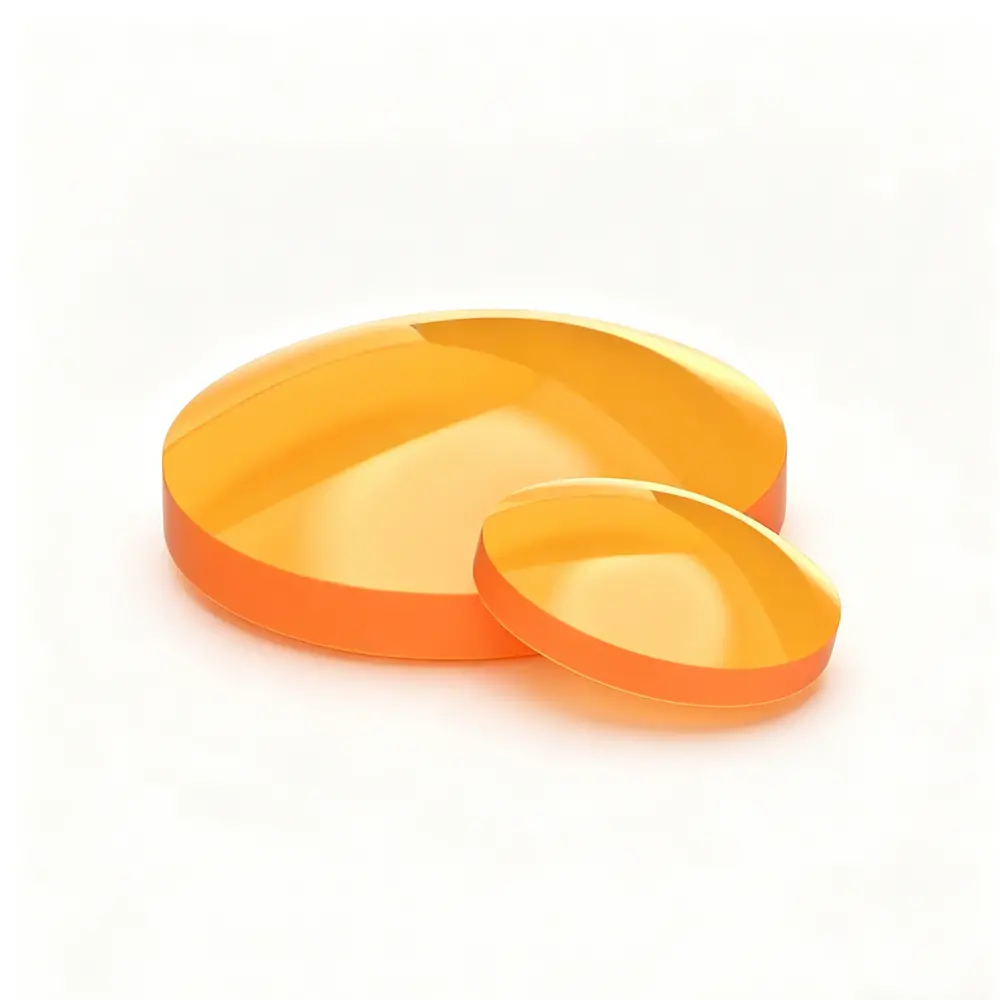
ZnSe Aspheric Lenses
ZnSe Aspheric Lenses for bar code scanners, laser diode collimation, with CVD ZnSe material, custom size review, and coating options.
Helpful Resources