
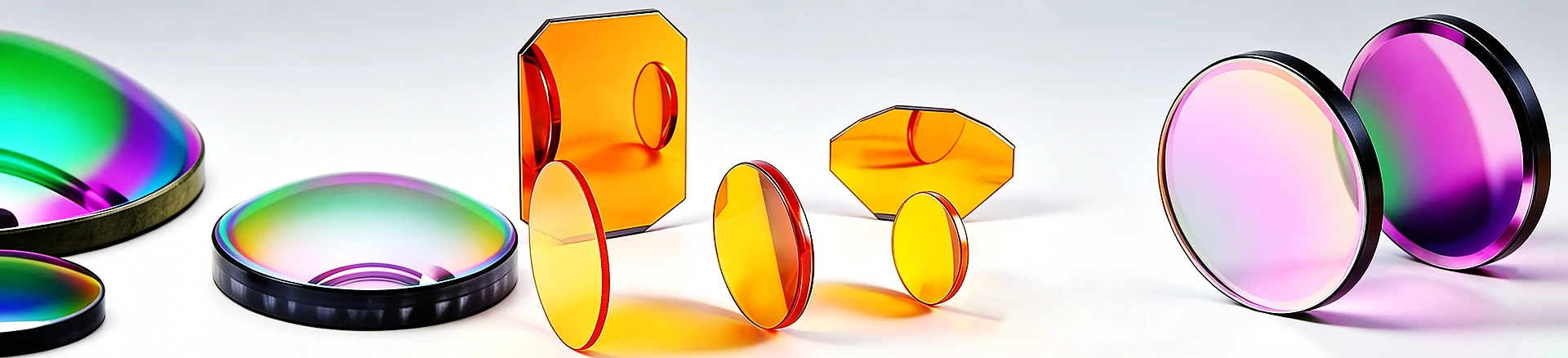
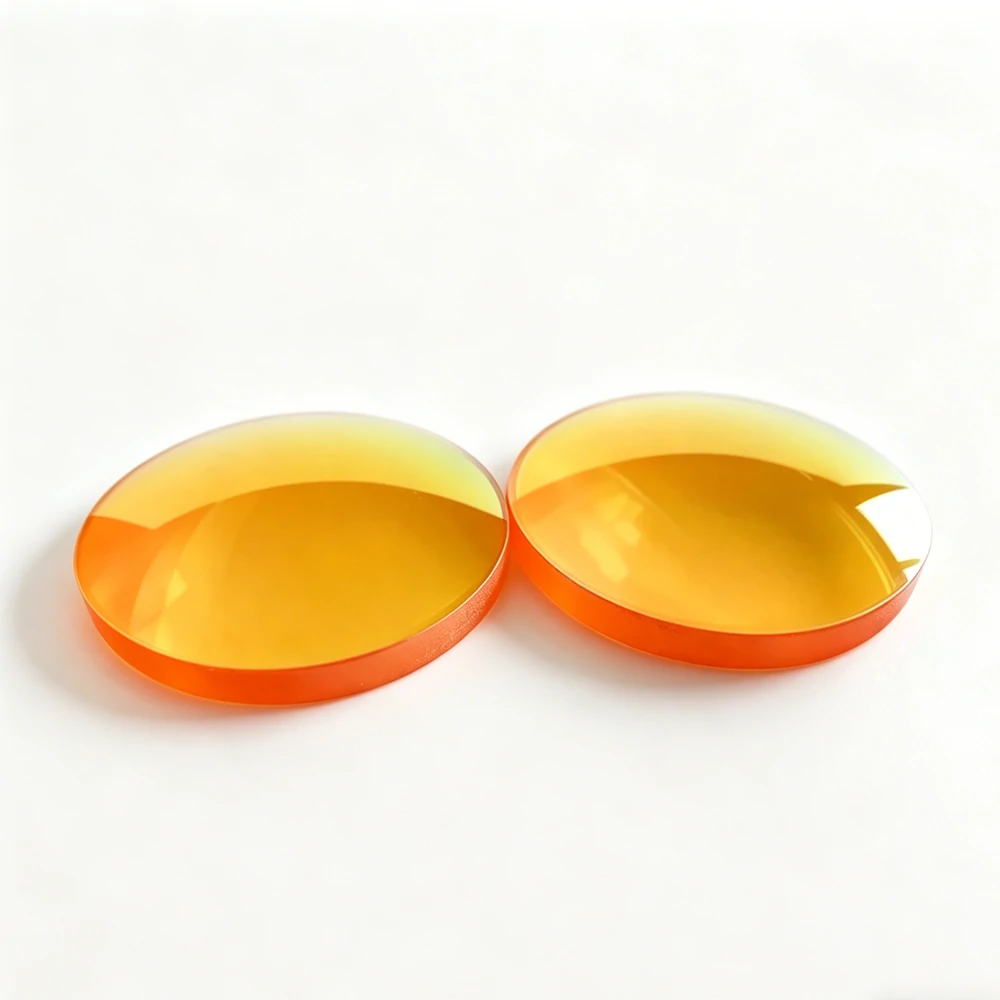
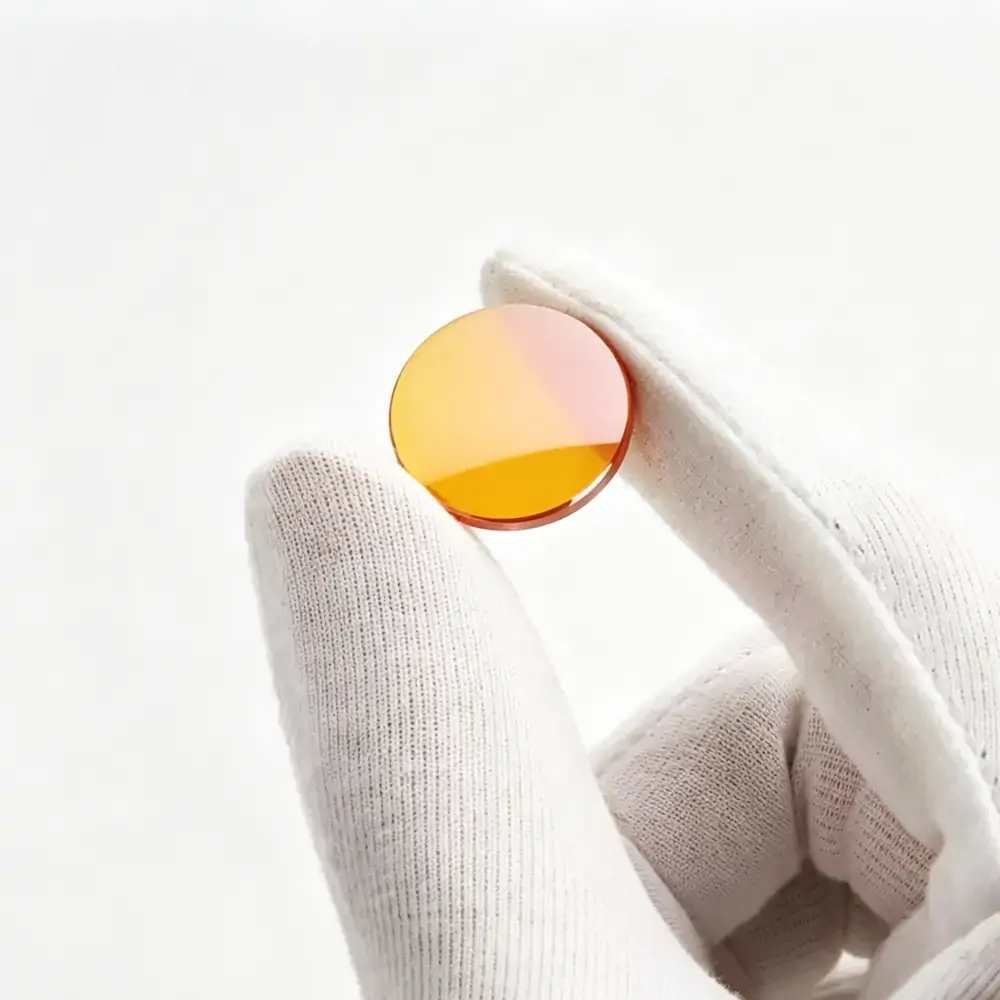
ZnSe Bi-Convex Lenses
ZnSe bi-convex lenses for IR focusing, collimation, and 1:1 imaging. Send drawings for custom diameter and coating review.
Product Overview
Overview
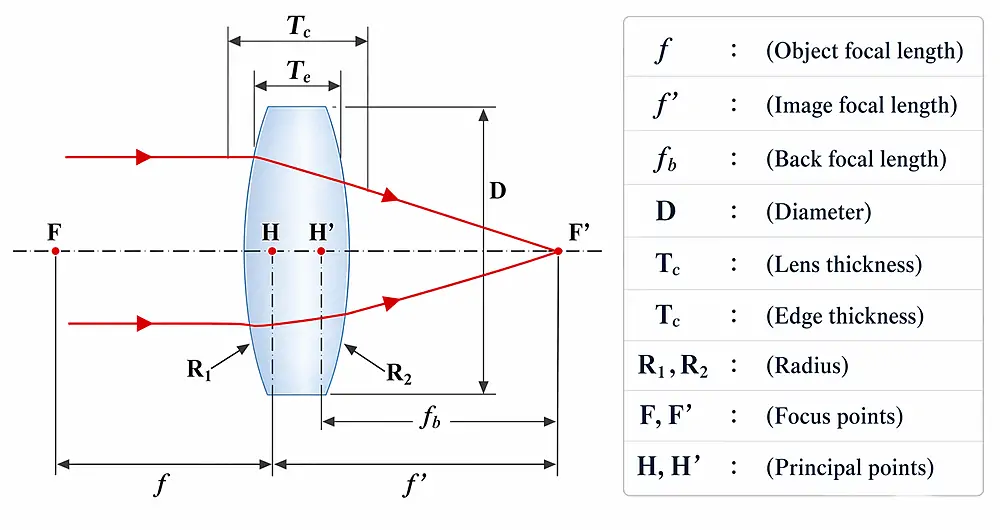
ZnSe bi-convex lenses are positive focal length optics with two convex surfaces, used for focusing and collimating infrared light. The symmetric design provides a balance between aberrations when used near 1:1 conjugate ratios.
Engineering Value
The bi-convex geometry is suitable for applications where the object and image distances are similar, such as 1:1 imaging or beam focusing. ZnSe transmission in the mid-IR range makes these lenses compatible with CO₂ laser and thermal imaging systems. The symmetric surfaces help reduce spherical aberration compared to plano-convex designs in certain configurations.
Technical Specifications
| Parameter | Value |
|---|---|
| Material | High purity CVD ZnSe |
| Wavelength Range | 610 nm – 16000 nm |
| Diameter | Ø1–Ø500 mm |
| Focal Length | 4.5–1000 mm |
| Clear Aperture | >90% |
| Diameter Tolerance | +0.00/-0.1 mm |
| Thickness Tolerance | ±0.1 mm |
| Surface Quality | 60/40 / 40/20 / 20-10 |
| Surface Irregularity | λ/4 @ 633 nm |
| Centering Error | 3 arcmin |
| Focal Length Tolerance | ±2% |
| Chamfer | 0.2 mm × 45° |
| Coating Options | IR or CO₂ laser AR coating targets |
Selection Notes
When selecting a bi-convex lens, engineers should confirm focal length, conjugate ratio, coating wavelength, and beam diameter. For conjugate ratios far from 1:1, a plano-convex lens may be more suitable. OPTOstokes-IROptical can review drawings or system requirements before quotation.
For a broader lens selection path, compare the main ZnSe lenses category before confirming focal length and coating requirements.
Request Engineering Review
Send your diameter, focal length, coating target, and quantity to request a quote or contact sales@iroptical.com for technical support.